



Why Round House is changing the way we think about martial arts

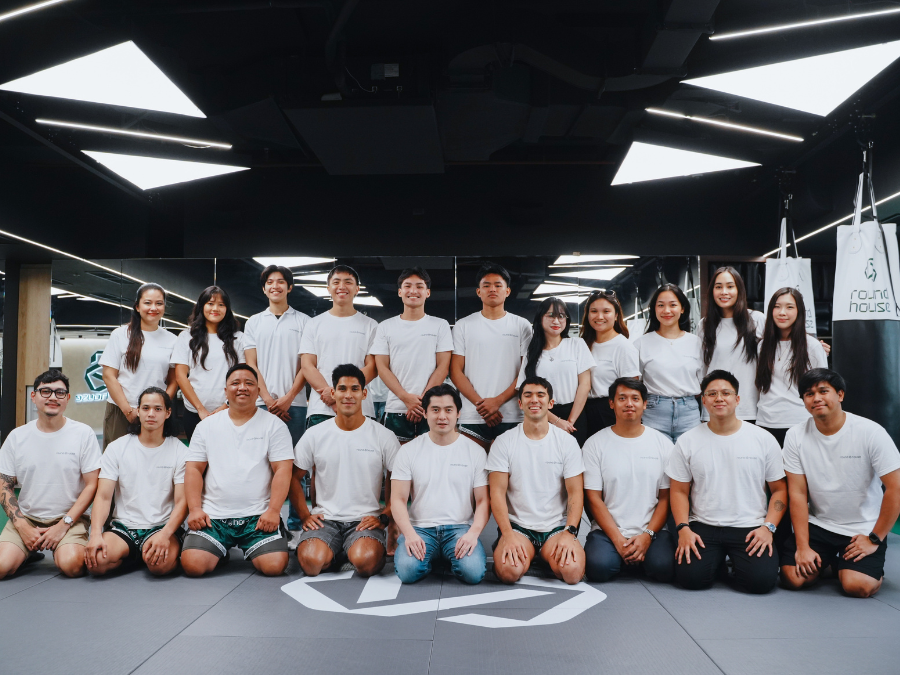

More than a place to train, the academy is creating a space where fitness, mindfulness, and community come together
There was a time when martial arts gyms were largely associated with aspiring fighters, bruised knuckles, and intimidating training rooms. But as wellness continues to evolve beyond counting steps and lifting heavier weights, more people are discovering that stepping onto the mats offers something different: a chance to disconnect from constant notifications, challenge both body and mind, and build resilience in ways that extend far beyond physical strength.
That’s the thinking behind Round House. Inspired by the precision of the roundhouse kick and the warmth of a place where people gather, the academy was created to blend technical excellence with an environment that feels welcoming rather than intimidating. Founder Jonathan Fong drew from his years of training overseas, where structured classes, world-class coaching, and thoughtfully designed facilities made martial arts accessible to everyone—from complete beginners to seasoned practitioners training side by side.
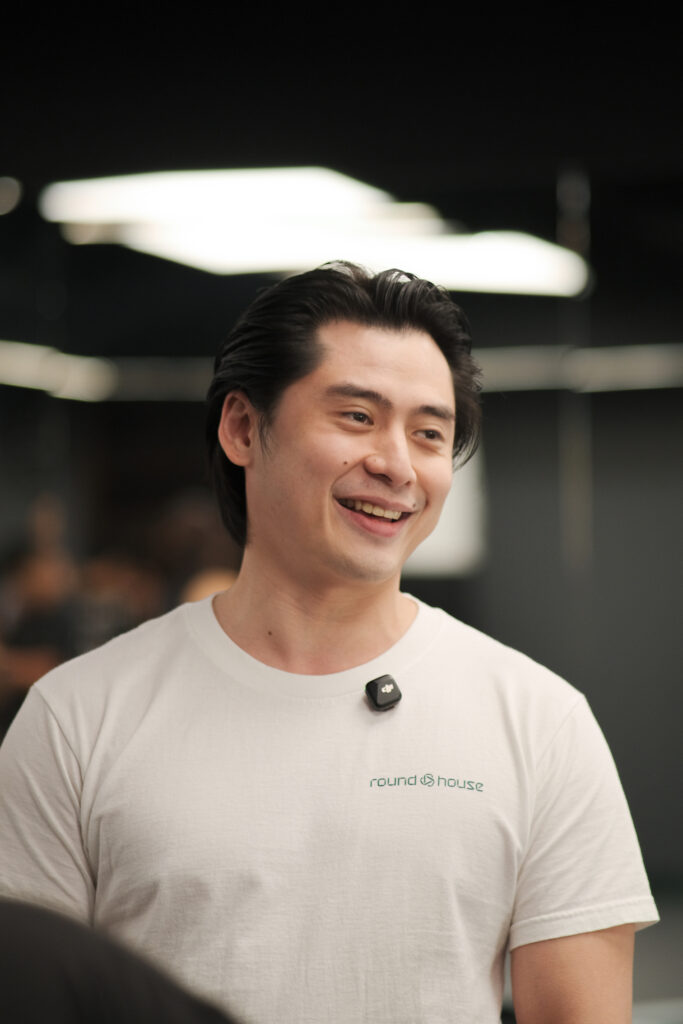
That philosophy extends beyond the curriculum. Vice President for Operations Jen Uyehara says Round House was intentionally designed to move away from the crowded, transactional atmosphere often associated with traditional martial arts gyms. Instead, the academy brings together structured coaching, premium facilities, and recovery spaces to create a more holistic training experience. “We don’t just see this as a gym. It’s an academy that integrates world-class coaching, meaningful community, holistic recovery, and premium facilities to ensure your experience extends well beyond the mat. We want Round House to be a destination for those who want more out of their training—a place where you’re challenged, the coaches know your name, and you leave feeling like the best version of yourself.”
Ironically, while many newcomers say they join for fitness or stress relief, Jonathan believes they’re often searching for something they struggle to find elsewhere: uninterrupted focus. On the mats, there are no meetings to answer, no inbox to clear, and no endless scrolling competing for attention. Every class demands complete presence, turning training into something that feels remarkably close to meditation.
We spoke with Jonathan and head coach Mauro Lumba about why martial arts is becoming part of more people’s wellness routines, what beginners should know before stepping onto the mats, and the lessons that continue long after class is over.
Beyond physical fitness, what benefits do students typically experience?
Jonathan: Composure under pressure, mostly. Kickboxing teaches you to stay calm while someone is trying to land strikes on you. That skill carries off the mats. Students become steadier in difficult meetings and confrontations. They sleep better, carry themselves with more confidence and discipline, and build genuine camaraderie with the people they train beside several times a week. Honest friendships are formed when you’re all humbled by the same drills.
What would you say to someone who feels intimidated about trying martial arts for the first time?
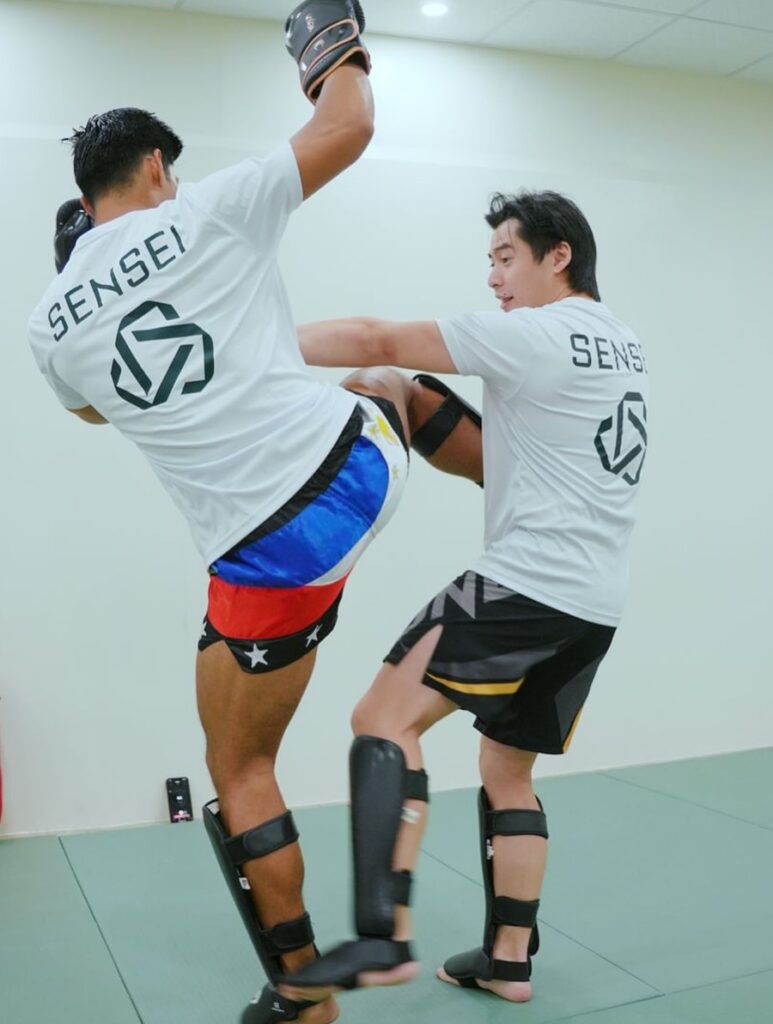
Jonathan: Intimidation is the whole point. We were all there once, including our senseis. Overcoming that fear—whether it’s failing, being judged, or looking inexperienced—is part of the reward. Nobody is watching you anyway. They’re all busy being humbled by their own footwork. Our senseis meet students exactly where they are, so you don’t need to be fit or have any experience. You just need to show up.
For beginners, what’s the most important lesson to learn during the first few months of training?
Mauro: Leave your ego at the door and focus on the fundamentals. Learn the basics, get used to the movements, and build a strong foundation. Everything else comes after that.
How can martial arts complement other wellness habits like strength training, running, or mindfulness?
Mauro: Martial arts is already a demanding workout, but what really changes is your mindset. It sharpens you mentally. Once you’ve learned to stay composed in a challenging environment, other workouts become more manageable because you’re no longer overwhelmed by pressure. It boosts your confidence and makes you mentally stronger in everything you do.

If someone could take away just one lesson from martial arts and apply it to everyday life, what would it be?
Mauro: Overcoming adversity. Martial arts teaches you to push through difficult situations, and that makes you mentally and physically stronger for whatever life throws at you.
How do you hope students feel when they walk out of Round House after every training session?
Mauro: Happy. I want every student to leave feeling like they accomplished something difficult. When you overcome a challenge during training, you naturally walk away feeling better about yourself.
How does martial arts help build confidence outside the gym?
Jonathan: Confidence extends far beyond the mats. When you learn to stay composed while being tested physically, you stop being rattled by things that used to shake you.
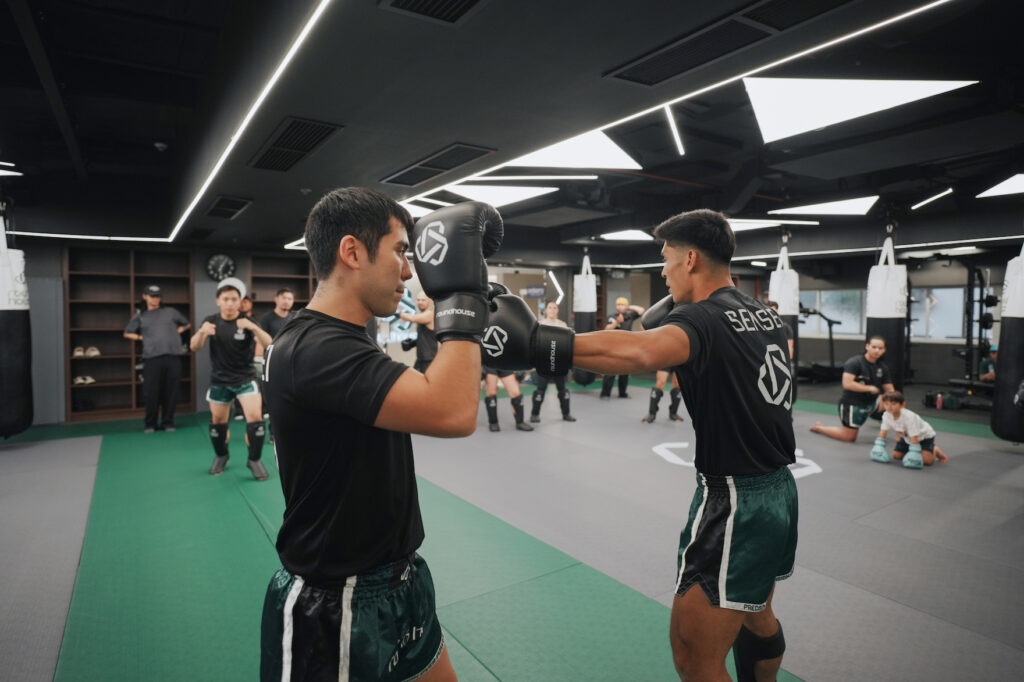
A tense negotiation or making a decision with incomplete information doesn’t feel the same once you’ve trained your mind to think clearly under pressure. The mats are where you earn that proof, and you carry it into every other room you walk into.
To learn more about Round House, follow them on their socials